What Causes Persistent Fatigue? When To See A Doctor First
Fatigue that doesn't improve with rest has a wide range of possible causes, from sleep disorders to thyroid issues to nutritional deficiencies.
Understanding that range helps clarify when a supplement might reasonably fit in, and when a doctor's visit should come first.
Sleep disorders
Conditions like sleep apnea and insomnia are common, well-documented causes of persistent daytime fatigue, generally requiring specific medical diagnosis and treatment rather than a supplement.
Thyroid conditions
An underactive thyroid (hypothyroidism) is a well-documented cause of fatigue, along with weight changes and cold sensitivity. A simple blood test can check for this.
Nutritional deficiencies
Iron-deficiency anemia, vitamin B12 deficiency, and vitamin D deficiency are all well-documented, testable, and treatable causes of persistent fatigue.
Chronic stress and mental health
Ongoing stress, anxiety, and depression are all linked to persistent fatigue, and are worth discussing with a doctor rather than only addressing with a supplement.
More serious underlying causes
Lifestyle factors
Poor sleep habits, dehydration, sedentary routines, and poor nutrition are all common, reversible contributors to daily fatigue.
Where a supplement realistically fits
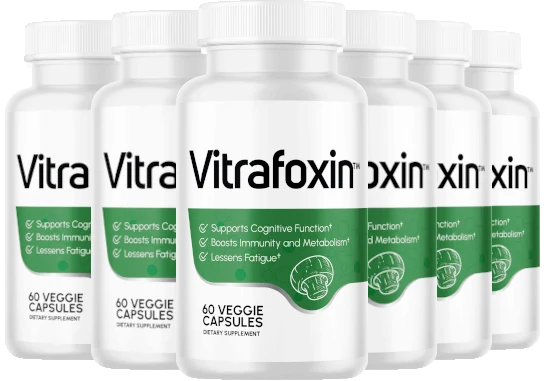
Applying this to Vitrafoxin
See our piece on what Vitrafoxin is for the product's own positioning, and our note on the undisclosed ingredient list for what we couldn't verify about how it's meant to work.